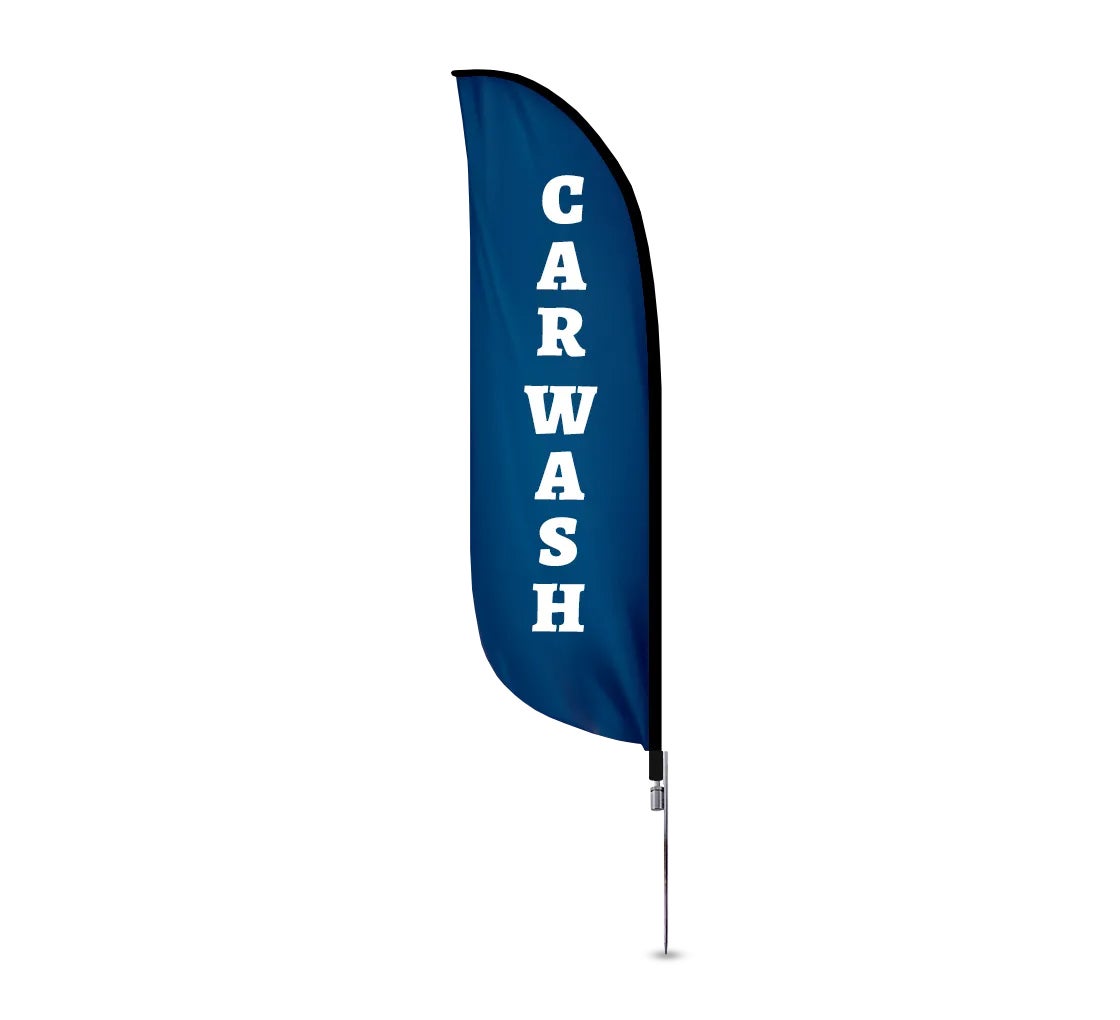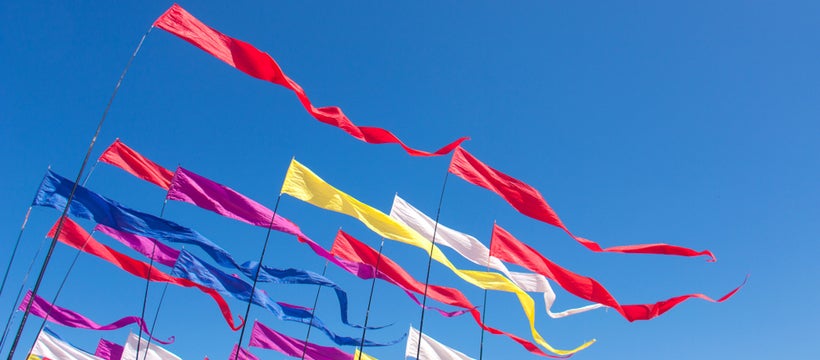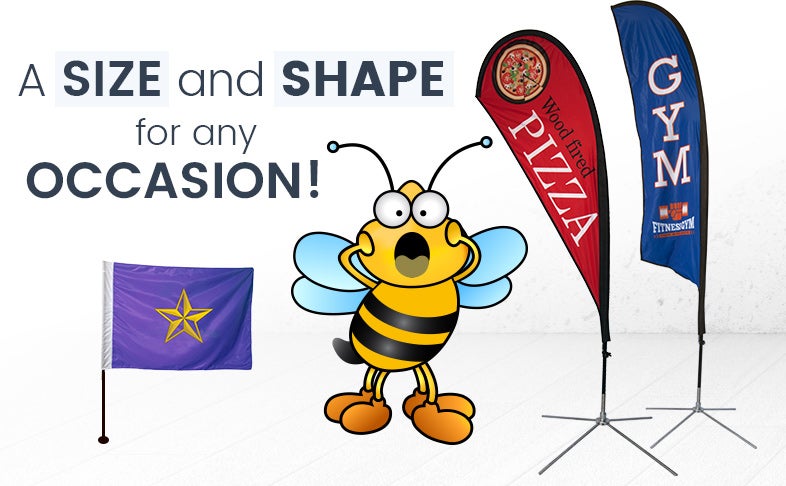










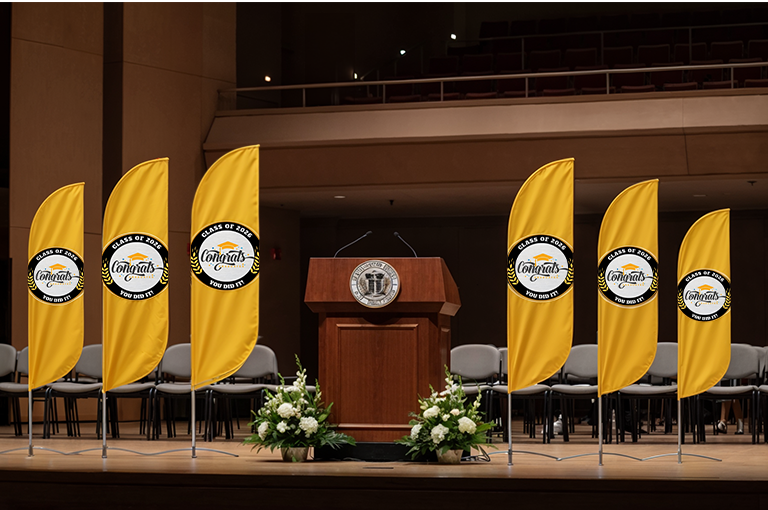

A feather flag does not shout for attention, but it rarely goes unnoticed. These tall, narrow displays stand upright and move gently with the wind, making them hard to miss even in busy areas. You will often see advertising feather flags outside stores, along roadsides, or at outdoor events because they catch the eye without taking up much ground space.
Popular Products


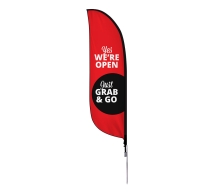
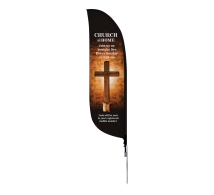

Whether you are trying to bring people into your store, call attention to a special offer, or point people toward an event, the right feather flag can make a big difference. But choosing the right size of a feather flag is not always easy. Too small and no one notices it. Too big and it may not suit the space.
With many sizes, shapes, and heights available, knowing what works best becomes important. This blog breaks down feather flag size choices and how they fit different needs. Let’s start with why size makes such a big difference.
Why Feather Flag Size Matters?
A feather flag’s size plays a big role in how clearly the message is noticed, how it blends with the space around it, and how well it works after setup. Below are a few key reasons why the feather flag size matters.
- The size of a feather flag strongly influences how easily it can be seen by people walking or driving past.
- An incorrect size choice can make the flag easy to miss or visually overpower the space.
- Smaller flags may blend into the background, especially in busy or crowded areas.
- Very tall flags can block views, clash with nearby signage, or look out of place.
The right size of advertising flags creates a balance between drawing attention and fitting the surroundings. Size also affects stability, setup effort, and how the flag performs in wind and weather.
How to choose feather flag size?
Here are the main points to consider when deciding on a feather flag size.
The Common Feather Flag Sizes
Feather flags are offered in a set of common height ranges to simplify selection. Most available sizes range from about 8 feet to 20 feet or even taller. Shorter flags work well in compact spaces, while taller ones are better suited for open areas. Having a clear idea of these size ranges makes decision-making simpler.
Where You Will Use Your Feather Flags

Location matters when deciding size. Flags placed near storefronts, sidewalks, or parking areas should fit naturally into the space. People often wonder what size feather flag do I need when they are unsure how much room they have. Measuring the display area first helps ensure the right fit. Indoor environments usually call for shorter flags, while outdoor locations allow taller flags to stand clearly.
Visibility and Distance
The distance from which people will see your flag is a key factor. For roadside displays or open areas, the best feather flag size for outdoor advertising is usually taller, as it can be seen from far away. In slower traffic zones or walk-in areas, medium sizes are often enough. Always think about how fast people move past your flag and how much time they have to notice it.
The Message You Want to Show
Your design and message also affect size choice. Feather flags with short text and bold graphics can work on smaller flags. Longer messages require more space to remain easy to read. This is where feather flag size comparison helps, as it shows how much print area each size provides before making a choice.
Wind and Weather Considerations
Wind is part of what makes feather flags appealing, but it also affects performance. Larger flags catch more wind and may need stronger bases. Smaller flags are easier to manage in windy areas. When choosing feather flag banners, consider local weather so it remains stable and lasts longer.
Different Shapes and Their Effects
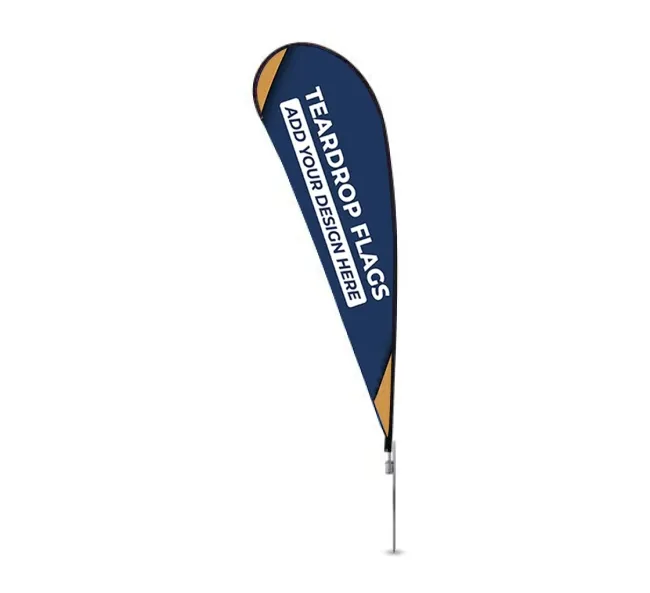
Shape changes how a flag looks and moves. Feather shapes, teardrop styles, and rectangular designs all behave differently in wind. Some shapes offer more visible print space, while others move more smoothly. Many people choose feather banners because their curved shape keeps the fabric stretched and readable throughout the day.
Base Options for Different Sizes
The base supports the entire setup and should match the flag size. Smaller flags are easy to secure with basic ground stakes, while taller flags require heavier bases for support. Setups that include feather flags with pole are easier to install and remain stable when supported correctly.
Choosing for Events Versus Daily Use
Event use and daily use often require different approaches. Events benefit from taller flags that stand out in crowds, while daily displays outside shops often work better with mid-size options. Some marketers prefer custom flags when they need something unique that standard options cannot provide, even if it costs slightly more. These custom feather flag sizes offer flexibility to meet exact display needs.
How to Measure Feather Flag Size
Knowing how feather flag sizes are measured makes the selection process easier and more accurate. Here’s how you can measure it:
- The total feather flag height usually includes both the pole and the fabric.
- The printed area is smaller than the full height, as part of the pole remains above or below the design.
- Always check the visible print area to understand how much space your message will have.
Comparing measurements makes it easier to select the right option from available feather flag sizes for promotions. Accurate sizing is especially important when working with limited space or height restrictions.
Conclusion
The right feather flag size does more than fill space. It helps the message feel clear, balanced, and easy to notice. When the size matches the location, the flag blends smoothly into its surroundings while still standing out. This guide to using feather flags is designed to make the decision process simple, so you can focus on using the display instead of adjusting it later.
Written By BannerBuzz Editorial Team!